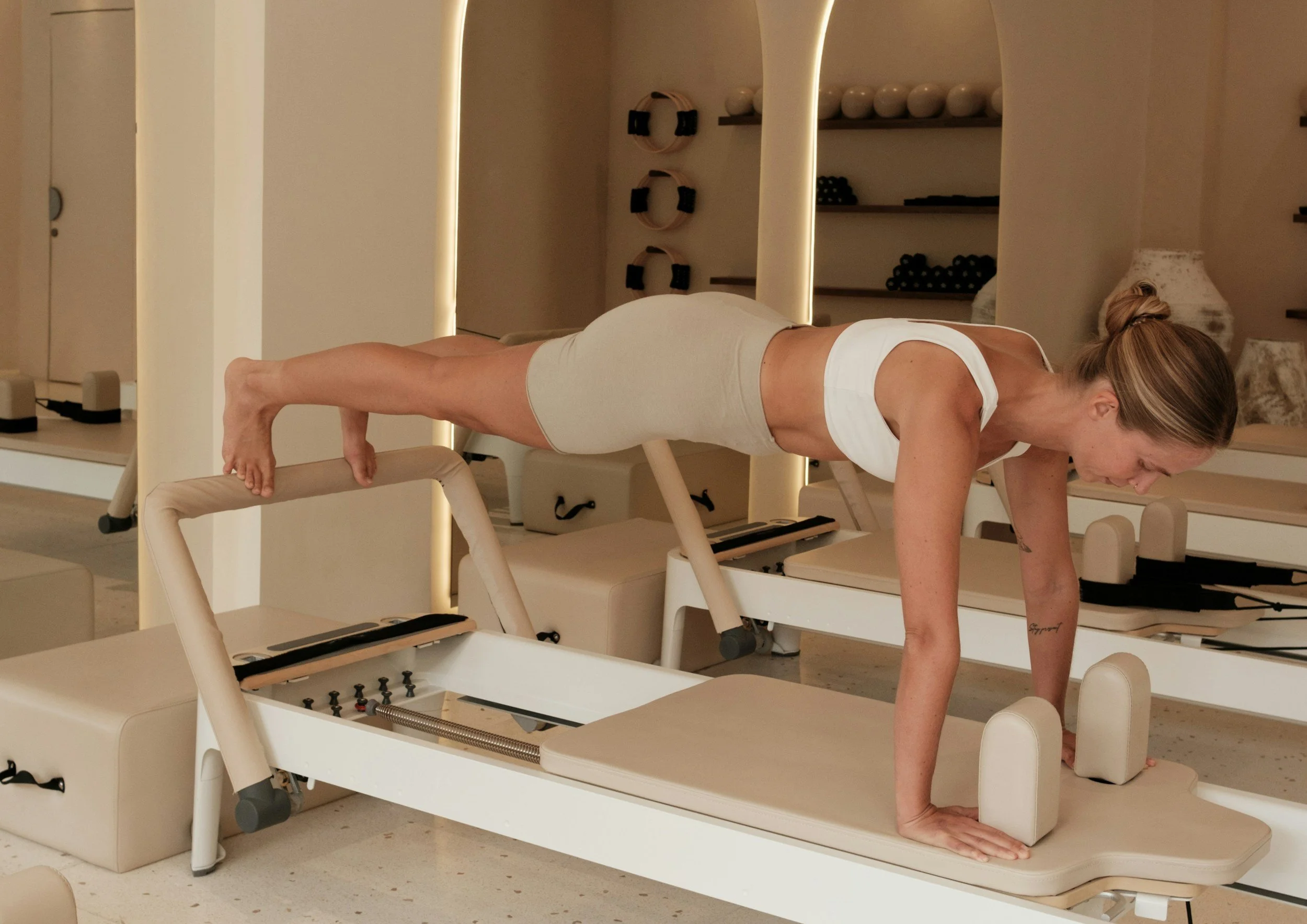
Pilates for Hypermobility & Ehlers-Danlos Syndrome
Specialized movement education for hypermobile bodies in Bellingham, Washington.
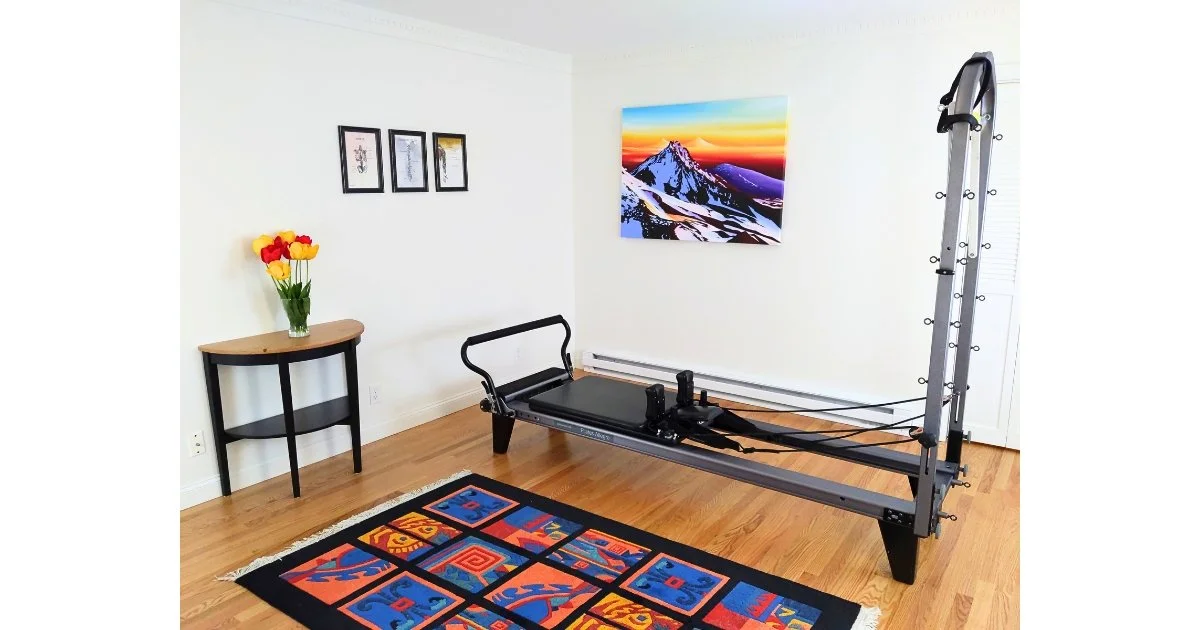
Welcome, hypermobile human!
At Sheldrake Pilates & Movement, I offer private Pilates sessions and small group classes designed specifically for people with hypermobility, Ehlers-Danlos Syndrome (EDS), Hypermobility Spectrum Disorder (HSD), and related conditions.
Most general exercise programs are not designed with hypermobile bodies in mind. Standard fitness advice, even well-intentioned physical therapy exercises, can sometimes increase pain or instability when applied without an understanding of how connective tissue issues and hypermobility change the way we move.
My approach is different. Every session is built around your body’s unique needs, with a focus on building joint stability, strength, and body awareness in a way that works with your nervous system — not against it.
I am not a physical therapist or medical provider. What I offer is specialized movement education: individualized or small group Pilates instruction grounded in a deep understanding of hypermobile bodies and the conditions that often come with them. I will happily work with your physical therapist or medical provider as a team to make sure you get the best care possible.

What is Hypermobility?
Hypermobility means your joints move beyond a typical range of motion. This can be due to issues in the connective tissue or sometimes it can be due to the shape of the bones at the joints.
For some people, hypermobility causes no physical problems.
For others, it’s associated with chronic pain, joint instability, fatigue, and a wide range of systemic symptoms that can make everyday movement feel difficult and unpredictable.
Common Hypermobility-related Conditions
🦓 Ehlers-Danlos Syndrome (EDS), including hypermobile EDS (hEDS)
🦓 Hypermobility Spectrum Disorder (HSD)
🦓 Mast Cell Activation Syndrome (MCAS)
🦓 Postural Orthostatic Tachycardia Syndrome (POTS) and Dysautonomia
🦓 Thoracic outlet syndrome (TOS)
🦓 Craniocervical instability (CCI)
🦓 Tethered cord syndrome
🦓 Pelvic floor dysfunction
🦓 TMJ dysfunction
Because connective tissue is present throughout the entire body, hypermobility often affects multiple systems at once, which is why a whole-body, individualized movement approach matters so much.

Recurring joint subluxations or dislocations
Joint pain and instability
Frequent sprains and/or strains
Migraines and/or headaches
Difficulty building muscle strength
Poor balance or proprioception
Chronic muscle tension or guarding
Fatigue and limited exercise tolerance
Neck, back, hip, or shoulder pain
Symptoms Often Found with Hypermobility & EDS
Dizziness or symptoms related to POTS
Anxiety around movement or fear of injury
Persistent symptoms despite previous exercise programs
Feeling “too flexible” but weak and unstable
Grief or frustration around losing physical capacity
Medical trauma from being dismissed or disbelieved
ADHD and/or autism
Very sensitive skin (Allodynia)
These experiences are real, valid, and more common in hypermobile bodies than most movement professionals recognize.
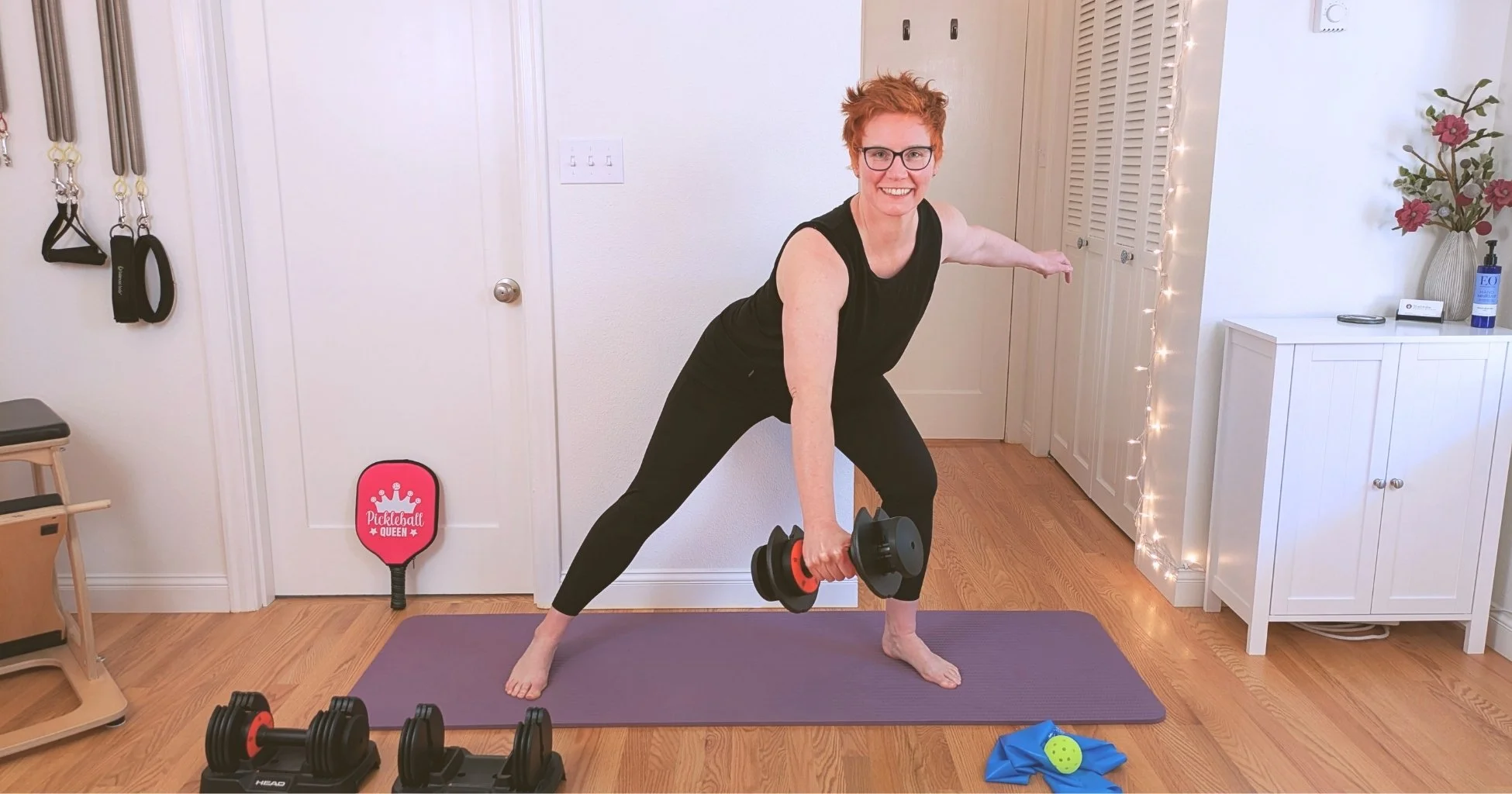
How Pilates can help
Pilates — when taught by someone who understands hypermobility — can be a powerful tool for building the stability, strength, and body awareness that hypermobile joints need. Pilates strengthens the core, improves balance and proprioception, and increases coordination. The exercises are low impact and help you move better so the benefits are felt in your everyday life.
Movement sessions at Sheldrake Pilates & Movement may focus on:
Joint stabilization exercises
Core strength and connection
Breath techniques for nervous system support
Proprioception and body awareness training
Balance and coordination
Strength building at a pace your body can tolerate
Brain-based movement techniques that improve how your nervous system communicates with your muscles and joints
Activity pacing and sustainable movement habits
Building confidence in your body again